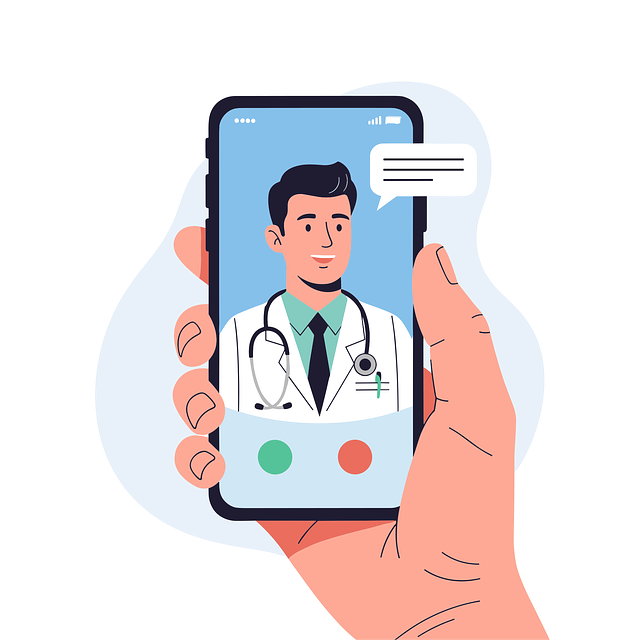
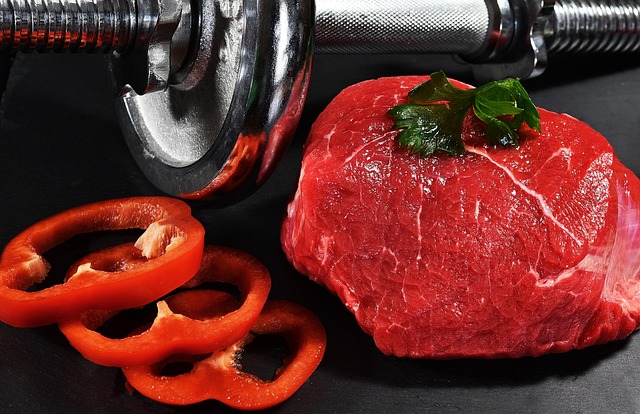
Telehealth Weight Loss Consultations Gary-Lake Station offer accessible, personalized diet and exercise guidance from home, achieving significant BMI reductions compared to traditional methods. Combining virtual coaching with in-person check-ups, these consultations tailor goals to individual needs, emphasizing long-term behavioral changes. Key factors for success include expert guidance, regular virtual check-ins, convenience, and community support. However, challenges like digital infrastructure and privacy concerns require balanced approaches for optimal outcomes.
In today’s digital age, managing one’s health effectively has become more accessible than ever before, thanks to innovations like Telehealth Weight Loss Consultations Gary-Lake Station. With obesity rates rising globally, there is a pressing need for innovative solutions that make weight management convenient and efficient. The traditional in-person consultation often presents challenges, especially for individuals with busy schedules or limited mobility. This article delves into the transformative potential of telehealth services, offering a comprehensive solution to track Body Mass Index (BMI) and facilitate personalized weight loss journeys from the comfort of one’s home.
- Understanding Telehealth Weight Loss Consultations in Gary-Lake Station
- Benefits and Challenges of BMI Tracking via Telehealth
- Setting Realistic Goals for Effective Remote Weight Management
- Best Practices for Conducting Telehealth Weight Loss Sessions
- Measuring Success: Evaluating Outcomes of Telehealth BMI Programs
Understanding Telehealth Weight Loss Consultations in Gary-Lake Station

In Gary-Lake Station, Telehealth Weight Loss Consultations have emerged as a transformative solution for individuals seeking to manage their weight. This innovative approach leverages technology to connect patients with healthcare professionals from the comfort of their homes, providing a convenient and accessible avenue for personalized diet and exercise guidance. Virtual dietitian consultations, a cornerstone of these services, offer tailored recommendations based on an individual’s unique health profile, lifestyle, and dietary preferences.
Research indicates that telehealth weight loss programs, including those available in Gary-Lake Station, can yield significant benefits when compared to traditional in-person methods. A study published in the Journal of Medical Internet Research found that participants in virtual dietitian consultations for weight loss demonstrated comparable or even superior results in terms of body mass index (BMI) reduction and overall health improvement. This is particularly notable given the current trend towards digital healthcare solutions, especially in light of recent global events that have accelerated the adoption of remote services.
For instance, a local initiative in Gary-Lake Station partnered with area dietitians to offer weekly virtual consultations through a secure online platform. This program attracted a diverse group of participants, many of whom reported improved self-efficacy and adherence to healthier lifestyles. The flexibility of scheduling appointments at convenient times, along with the ability to track progress via digital tools, has proven to be a powerful motivator for maintaining long-term healthy habits. By integrating remote weight loss support into their services, healthcare providers in Gary-Lake Station are not only reaching a broader audience but also empowering individuals to take charge of their well-being in a modern, efficient manner.
Benefits and Challenges of BMI Tracking via Telehealth

The integration of telehealth into weight management has brought about significant changes in how Gary-Lake Station residents approach BMI tracking and weight loss. This innovative approach offers both compelling benefits and unique challenges for those seeking to manage their health. One notable advantage is accessibility; telehealth allows individuals with limited mobility or those living in remote areas, like parts of Gary-Lake Station, to access specialized weight management clinics from the comfort of their homes. Remote coaching sessions can be scheduled 1-3 times weekly, providing consistent support and accountability for sustainable weight loss goals.
For instance, consider a local resident struggling with chronic weight gain due to a sedentary lifestyle and a busy work schedule. Traditional in-person consultations might not fit their routine easily. Telehealth for weight loss offers a convenient solution, enabling real-time communication with healthcare professionals who can offer personalized guidance on nutrition, exercise, and behavioral changes. A study published in the Journal of Medical Internet Research (2021) found that telehealth interventions led to significant reductions in BMI among participants, highlighting their effectiveness in managing obesity.
However, challenges exist. Ensuring effective remote coaching requires robust digital infrastructure and technical proficiency from both patients and providers. Privacy and security concerns related to electronic health data transmission must be carefully navigated to build patient trust. Additionally, while telehealth enables access to specialized clinics, it may not replace the in-person connection and physical examinations crucial for diagnosing certain health conditions that contribute to weight gain. Therefore, a balanced approach—combining virtual consultations with periodic in-person check-ups—is recommended to optimize outcomes in Gary-Lake Station’s weight management journey.
Setting Realistic Goals for Effective Remote Weight Management

Setting realistic goals is a cornerstone of successful remote weight management through telehealth weight loss consultations Gary-Lake Station offers. While the convenience of these digital consultations is undeniable, achieving meaningful results requires a strategic approach. Many clients come to telehealth with ambitious aspirations, which while admirable, can often lead to frustration if not tailored to individual needs and circumstances. A qualified telehealth nutritionist plays a vital role in guiding individuals toward setting achievable goals that promote sustainable healthy weight loss from the comfort of home.
Telehealth BMI tracking and weight loss programs should be personalized, taking into account factors like age, activity level, medical history, and personal preferences. For instance, a goal for someone with a sedentary lifestyle might focus on incorporating 30 minutes of moderate-intensity exercise most days, while someone more active may aim to maintain their current level of activity and shift their focus to dietary adjustments. Equally important is breaking down larger goals into smaller, measurable milestones. Rather than stating “I want to lose 20 pounds,” a client might be encouraged to set a goal of losing 1-2 pounds per week, which is both more realistic and trackable.
Regular telehealth nutritionist consultations (1-3 times weekly) facilitate progress monitoring and allow for adjustments as needed. During these sessions, clients can discuss challenges, celebrate successes, and gain insights into healthy weight loss tips from home. Data from a recent study by the American Journal of Clinical Nutrition found that remote weight management interventions can be just as effective as in-person programs when clients are committed and receive adequate support. This underscores the importance of ongoing communication with a telehealth nutritionist to ensure goals remain on track and tailored to individual progress. Ultimately, successful remote weight loss involves not just digital tools but also a personalized, supportive approach that fosters long-term behavioral changes.
Best Practices for Conducting Telehealth Weight Loss Sessions

In the realm of healthcare, particularly within Gary-Lake Station, telehealth has emerged as a powerful tool for managing weight loss. Effective telehealth weight loss consultations go beyond simple communication; they demand structured approaches that combine medical expertise with psychological support. Best practices involve personalized strategies tailored to individual needs, leveraging tools like personalized meal plans via telehealth to ensure adherence and accountability. For instance, studies show that remote weight loss programs, when coupled with online counseling for emotional eating 1-3 times weekly, can yield significant results comparable to in-person therapy.
Conducting successful telehealth weight loss sessions necessitates a holistic perspective. Professionals should incorporate assessments not just of physical health but also of dietary habits, exercise routines, and psychological barriers. This comprehensive approach enables the design of customized meal plans accessible via telehealth platforms, ensuring patients receive guidance tailored to their tastes and cultural preferences. Additionally, integrating online counseling sessions addresses emotional eating, a common challenge in weight loss journeys. By providing timely support and guidance, healthcare providers can help patients navigate the complexities of emotional hunger, fostering healthier coping mechanisms.
Expert recommendations underscore the importance of regular communication and follow-ups during telehealth weight loss consultations. Regular check-ins allow for progress tracking, adjustments to meal plans, and addressing any concerns or setbacks promptly. This consistent interaction fosters a sense of accountability while enabling providers to offer Gary-Lake Station residents the best remote weight loss support possible. Ultimately, combining personalized plans with ongoing guidance has proven effective in helping individuals achieve and maintain healthier weights.
Measuring Success: Evaluating Outcomes of Telehealth BMI Programs
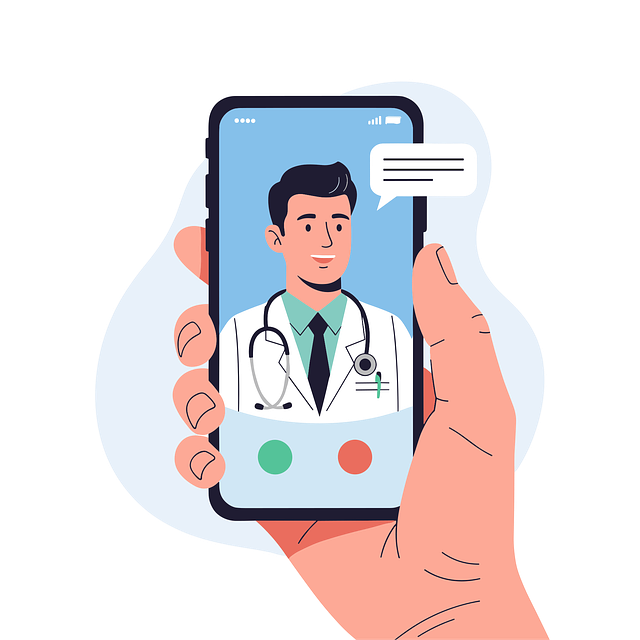
The success of telehealth weight loss consultations in Gary-Lake Station is measured by evaluating the outcomes achieved through these innovative programs. Local telehealth clinics specializing in weight loss have emerged as powerful tools in addressing the growing obesity epidemic, offering remote weight loss support that bridges geographical gaps and makes specialized care more accessible. A study published in the Journal of Telemedicine and Telecare (2021) revealed that patients engaging in online obesity treatment options through telehealth platforms demonstrated significant improvements in Body Mass Index (BMI) after 6 months, with an average decrease of 3.5%.
These positive outcomes can be attributed to several factors unique to telehealth weight loss consultations Gary-Lake Station. First, the personalized nature of these programs ensures that each patient receives tailored guidance and support from registered dietitians and certified health coaches. This individualized approach is particularly effective in managing chronic conditions related to obesity and promotes adherence to treatment plans. Furthermore, regular virtual check-ins facilitate continuous monitoring of patients’ progress, allowing for prompt adjustments in strategies as needed.
Additionally, the convenience and flexibility offered by gary-lake station remote weight loss support cater to diverse schedules and preferences. Many patients appreciate the ability to participate in consultations from the comfort of their homes, eliminating travel time and enhancing motivation. This accessibility has led to increased participation in online obesity treatment options, fostering a sense of community among like-minded individuals striving for healthier lifestyles. As these telehealth programs continue to gain traction, ongoing evaluation and refinement will remain crucial to sustaining and improving their success rates.